
👋 Hey. Welcome to issue #114 of The Everyday Athlete Newsletter.
Here are my 3 favourite ideas, learns and resources to help you improve your performance this week (4 min read):
🍝 Carb loading
Glycogen (from carbohydrates) is the body’s main fuel source for long-distance events.
But we’re limited by how much glycogen we can consume during performance.
So we can load up our stores in the days leading up to it.
Carb loading.
We’ve all heard it before.
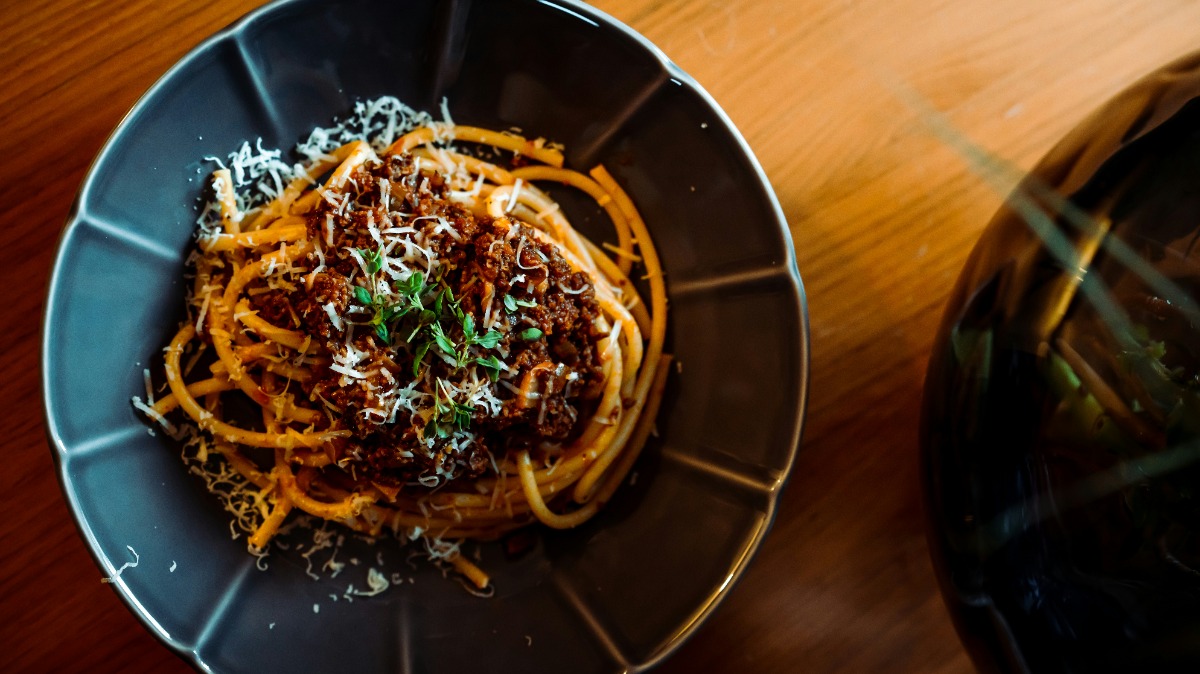
Most just associate it with a big spag bol the night before an event.
Which is bang on.
But if you’d like to get a bit more scientific about it:
Aim for about 12g of carbs per kilogram of body weight for 2-3 days before racing.
E.g. 80kg human: 12g x 80 = 960g of carbs
Easy as adding extra potatoes, rice and pasta to meals.
That way we can store about 2,000 calories of glycogen in our leg muscles. Another 400-500 in our liver.
But liver glycogen depletes overnight feeding the hungry brain.
Making it useful to eat a small high-carb brekky (like oats) a few hours before a morning event—to replenish liver glycogen stores.
Ready to roll.
🧃 Training the gut
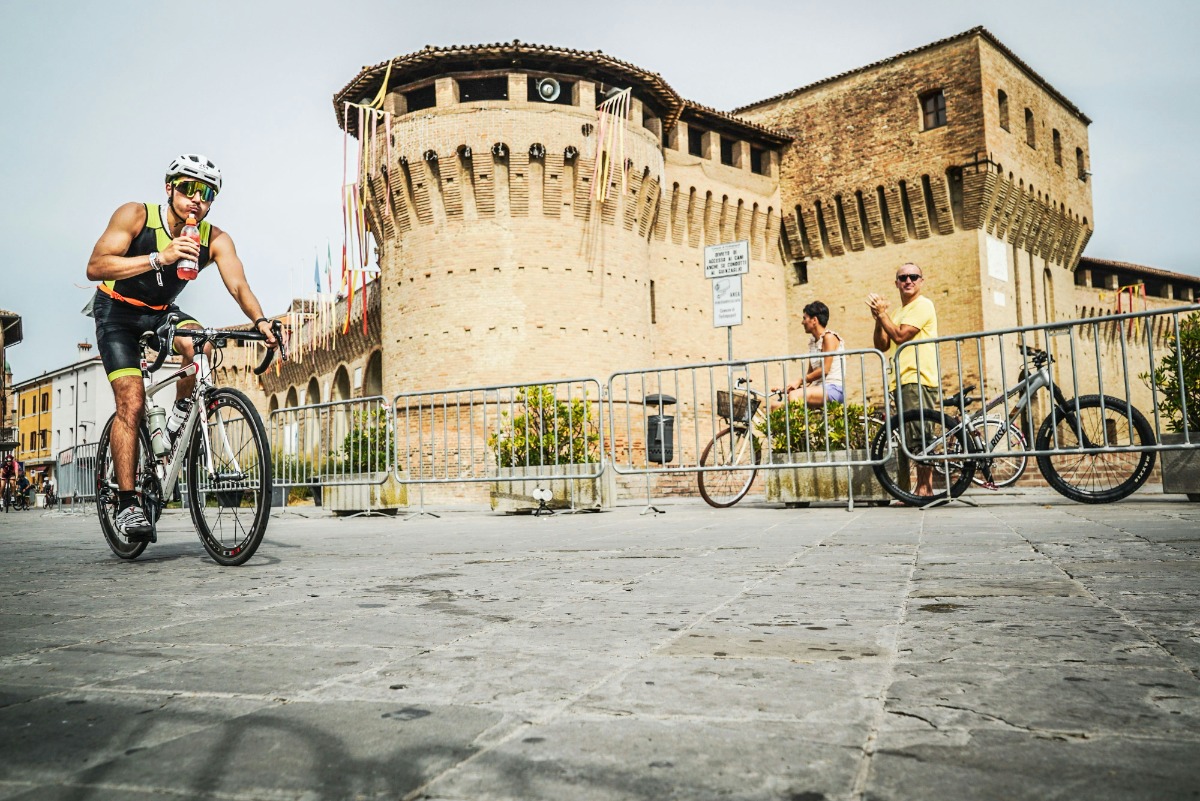
Then the gun goes.
And we wanna be topping up our quickly burning glycogen as much as possible.
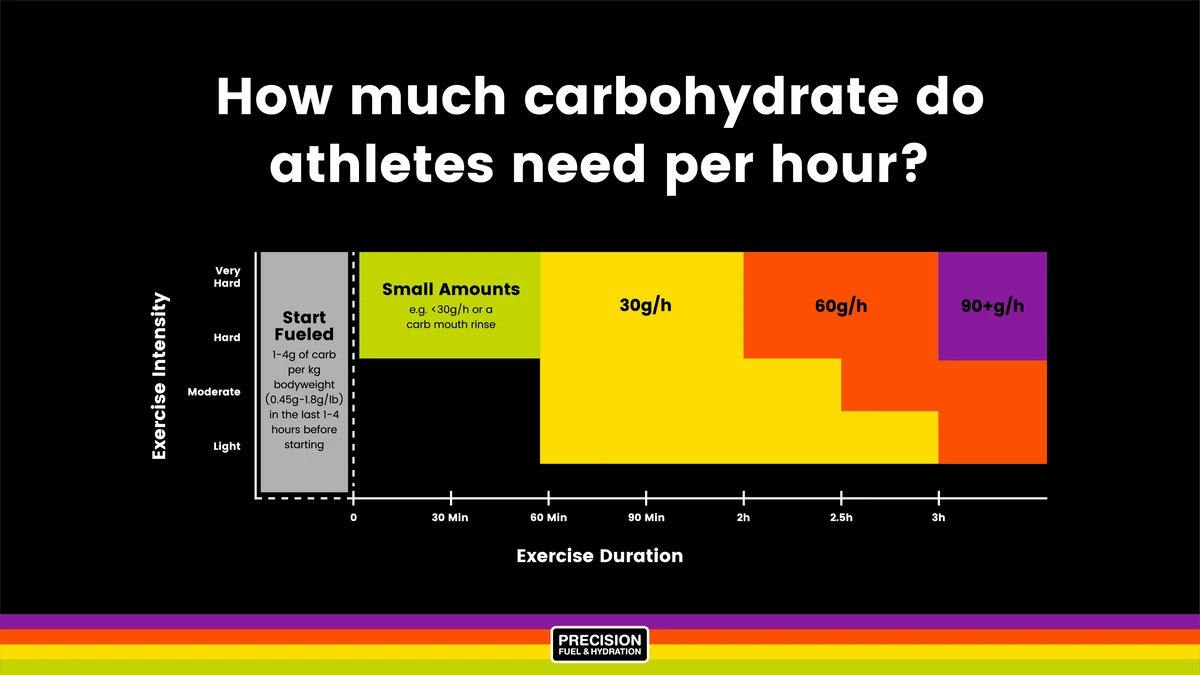
Traditionally it was thought we could only absorb 60 grams of carbs an hour.
But we now know combining two types of carbs – like glucose and fructose – can allow us to absorb around 90 grams.
The chart from Precision Fuel below can help you figure out how much you need. Based on intensity and duration.
But as much as we're training our bodies for the event, we need to train our gut to handle a heap of carbs.
Or it'll be pretty unpleasant on the old stomach.
So we need to practice fueling in training.
Because the better our gut can handle and absorb carbs, the more energy we have to push it up.
And the better we'll perform.
🍷 Resveratrol, the magic dust?

Then post-race you’ll probably wanna let the hair down.
Glass of red perhaps.
You’ve probably heard red wine is good for you because it has a compound called resveratrol in it.
Early research published about 20 years ago suggested resveratrol may have anti-ageing benefits.
Which took the world by storm.
And you should be excited about the benefits of resveratrol…
If you are a metabolically sick mouse. Because the evidence suggesting its potential benefits came from research on overweight rats.
The hypothesis has since been largely disproved. A recent review is another nail in the coffin. Showing no benefits to metabolic health in humans.
But—beware—there’s still hundreds of resveratrol products being flogged.
Red wine is good for you because it’s enjoyable in the moment. Not because it has some magic dust in it.
Go well.
That's it!
Have a great weekend 🤙
Matt

📬 Did someone forward this to you? I send an email like this every week. Join free here.
👇 If these emails aren't for you anymore you can unsubscribe below. No stress, they're not for everyone.
 Want more? Check out the Everday Athlete Toolbox and Elite Sleep Audit
The Everyday Athlete Newsletter is not a licensed health service nor a substitute for professional health advice, treatment or assessment. The information shared in this email is general and written for a specific audience. If you’re struggling, please see a healthcare professional.
0 comments