
👋 Hey. Welcome to issue #144 of The Everyday Athlete Newsletter.
Here are my 3 favourite ideas, learns and resources to help you improve your performance this week (4 min read):
🔍 The most accurate ways to track your menstrual cycle
I recommend every female I work with to track their menstrual cycle — not just to understand their bodies better, but to optimise their training and recovery.
But — whether you’re chasing performance goals or trying to bake a baby, the right tracking method makes all the difference.
I've put together a full guide breaking down the best tools — from simple calendar apps to smart rings and fertility monitors — to help you choose the one that fits your goals, lifestyle, and cycle regularity.
Plus, how to align your cycle and hormones with your training (and life).
👉 Read the full guide here: 🔍 The most accurate ways to track your menstrual cycle
🏋️ Gym warm-up trick that makes heavy weights feel light
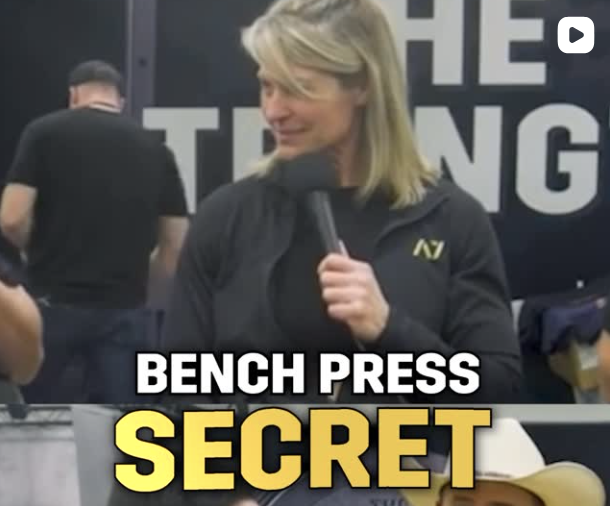
Jen Thompson is an 11x world powerlifting champ.
She uses a warm-up technique no one talks about:
Supramaximal holds.
She loads the bar heavier than her max, unracks it, and holds the weight for 10–15 seconds — without moving through any range of motion.
Why?
To fire up her nervous system and prep it for heavy lifting.
Plus, she says mentally everything feels light after that.
It’s not just for world champs. Everyone can benefit:
- ✅ Builds confidence under the bar
- ✅ Trains bracing and tension
- ✅ Conditions joints, tendons, and stabilising muscles
Little insta video here of her explaining it here.
Get a warm-up in you that works.
🦶 Thinking of trying barefoot shoes? Read this first
I do my strength training in barefoot shoes.
Because cushy runners put an inch of foam between foot and the ground.
And that cooks our stability and balance when lifting.
I wrote about the benefits of training barefoot (or with barefoot shoes) way back in newsletter #6.
The gist: improved balance, stability, posture and body awareness.
But don’t chuck out your runners.
Because most of us have spent decades in supportive shoes that do the work for us.
And if you jump straight into barefoot running or high-impact sessions, your feet and calves aren’t ready for the load shift.
Case in point: my mum pinged her calf first time wearing them (from a 300m treadmill run in a metcon circuit).
Here’s what happens:
- 👣 Traditional runners absorb impact and reduce demand on your feet and calf muscles
- 👟 Barefoot shoes shift that load back to your body
- 💥 If those muscles aren’t ready? Ouchy
So we’ve gotta start slow. Think:
- 🏋️ Low-impact strength training
- 🚶 Short bouts on feet/walking
And build up (if you want and it feels good).
I’ve been wearing them for a couple years. And still strap the asics on for runs and longer walks.
Not because barefoot running is bad — some people can absolutely build up to it and thrive.
But for me, after 20+ years of footy, I’ve got some funky stuff going on and choose to have the supportandspeed of runners (and orthotics) for that stuff.
So if you’re thinking of getting on the barefoot train, let it rip. But start slow, build up and find the balance that works for your body.
That's it!
Have a great weekend 🤙
Matt

📬 Did someone forward this to you? I send an email like this every week. Join free here.
👇 If these emails aren't for you anymore you can unsubscribe below. No stress, they're not for everyone.
The Everyday Athlete Newsletter is not a licensed health service nor a substitute for professional health advice, treatment or assessment. The information shared in this email is general and written for a specific audience. If you’re struggling, please see a healthcare professional.
0 comments