
👋 Hey. Welcome to issue #154 of The Everyday Athlete Newsletter.
Here are my 3 favourite ideas, learns and resources to help you improve your performance this week (4 min read):
🦠 Feeding serotonin
Serotonin is the hormone that regulates mood.
Known as the “feel-good” chemical.
Low levels are linked to depression and other mood disorders.
And interestingly, more than 90% of serotonin is made in the gut.
So anything that messes with our gut function can impact our mental health.
Good gut health is built on the foundations of a healthy lifestyle (eat, sleep, train, etc).
Add in some fermented foods like kimchi and kombucha.
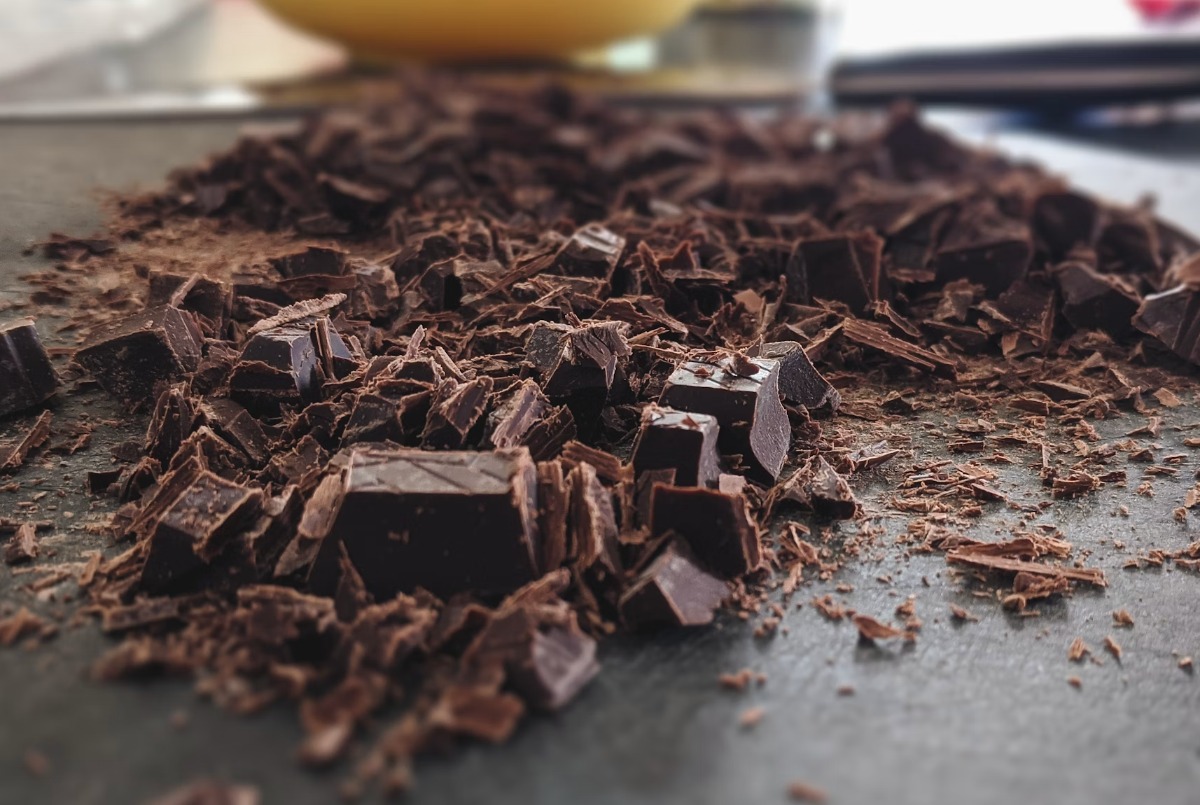
And include some antioxidant foods like berries and dark chocolate.
Glad you mentioned dark choc...
Because this study gave some “healthy adults” (which I assume just means disease-free) 30g of either 70% or 85% cocoa chocky.
After 3 weeks, the 85% group had a heap more:
- 🦠 Gut microbiome diversity (i.e. a sign of good gut health)
- 📈 Blautia obeum levels (bacteria that creates butyrate, known to influence brain health)
And better self-reported mood. The 85% group were about 10% happier than when they started.
The likely driver is the fact dark choc is jacked up with polyphenols (a type of antioxidant that feeds specific gut bacteria).
But it’s clearly gotta be the potent stuff. Even the 70% dark choc group didn’t see this shift.
The drama is 85% dark choc is quite horrendous on the palate...
Enter, cocoa powder... a part of the cocoa bean that's roasted and ground down (less processed and higher polyphenol count than dark choc).
That you can mix into, say, a DIY protein ball.
Polyphenols without the bitterness. Amen.
P.s. my DIY protein balls update (see sick of protein shakes? from newsletter #151):
- Balls are now bars: less admin pouring into container than rolling + better consistency.
- Current formula: 2 scoops protein powder, 1tbs psyllium husk, 1/2 tbs peanut butter, 1/2 tbs coconut flour, 1/4 cup water, and now 1/2 tbs cacao powder. Mix, pour, freeze.
- Key move: pre-slice some lines after pouring into tupperware so they're easy to break off when frozen
- Stats: 60g protein, 6g fibre, no junk (1-2 servings)
☀️ How to overcomplicate health 101

Bloke made an app to track your optimal sun exposure.
It uses a scientific formula that factors in UV, time of day, your location, clothing, altitude… and your star sign...
Honestly, it’s kind of impressive.
But also...
I feel like these 5 words could replace the whole app:
Get some sun. Don’t burn.
(But hey, if you LOVE data and tracking: test it here or nerd out on the method)
p.s. jks on the star sign chat, but the rest is legit
🩸 Building a glucose sink
We eat something with sugar in it.
Our bodies break it down into glucose.
This glucose goes into our blood.
And our blood sugar levels rise.
Now, normal blood sugar rises slowly and stays in a healthy range.
But a spike means it goes up too fast and too high. Often, from eating too much sugar too quickly (faster than our body can handle it).
Glucose spikes are one of the most common causes of energy dips. But also brain fog and cravings.
And over time… insulin resistance, diabetes, and disease risk.
Food type, timing, what order we eat that food in, physical activity around food and a few other factors can influence our glucose levels.
But there’s only one way to manage it without even thinking about it...
And that's by building muscle.
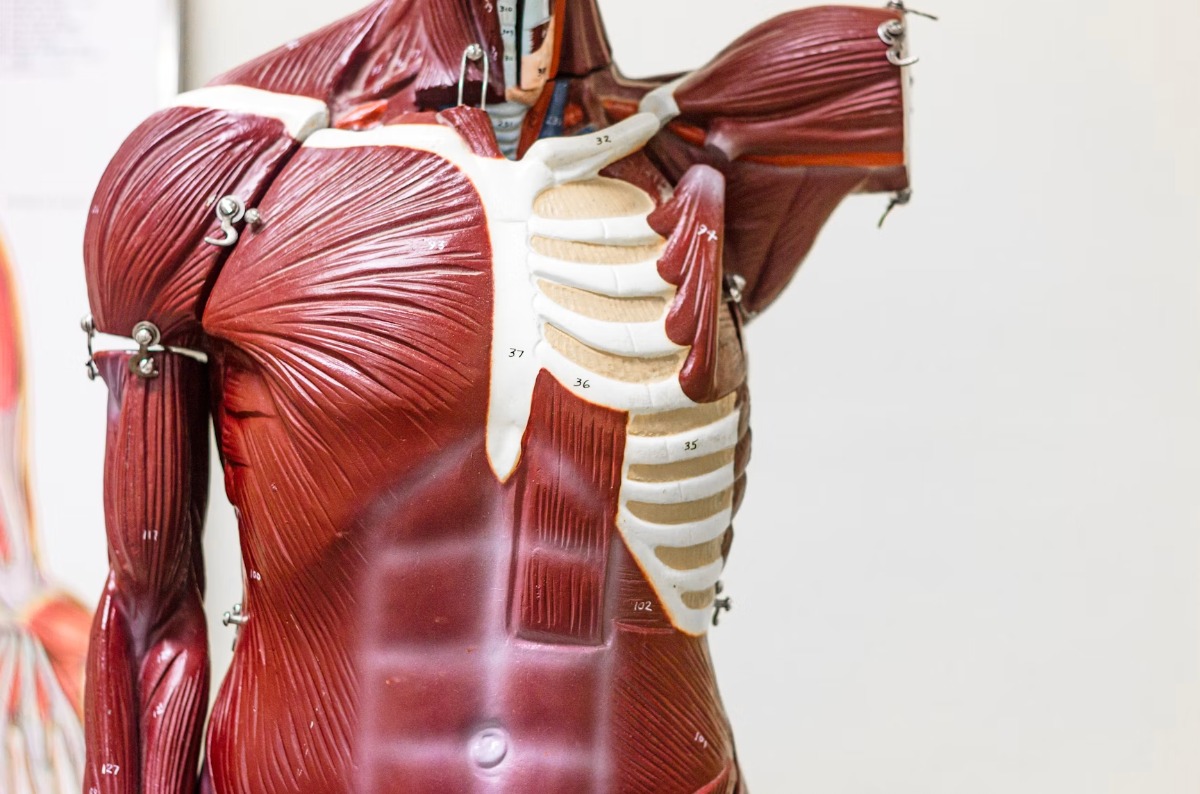
Because muscle is what is often called a “glucose sink”.
It eats it up.
But what I didn’t realise is how little is needed to make a difference…
This recent study found adding 1.9–3.3% in muscle (achievable for most in a quality 12-week strength program) led to:
- 📉 A 4% reduction in long-term blood sugar
- 📉 And nearly 6% lower fasting glucose
In short, a bit of muscle can make a big impact on our day-to-day performance and long term health.
That's it!
Have a great weekend 🤙
Matt
📬 Did someone forward this to you? I send an email like this every week. Join free here.
👇 If these emails aren't for you anymore you can unsubscribe below. No stress, they're not for everyone.
The Everyday Athlete Newsletter is not a licensed health service nor a substitute for professional health advice, treatment or assessment. The information shared in this email is general and written for a specific audience. If you’re struggling, please see a healthcare professional.
0 comments