
👋 Hey. Welcome to issue #109 of The Everyday Athlete Newsletter.
Here are my 3 favourite ideas, learns and resources to help you improve your performance this week (4.5 min read):
🧃 Do we really need to worry about microplastics?
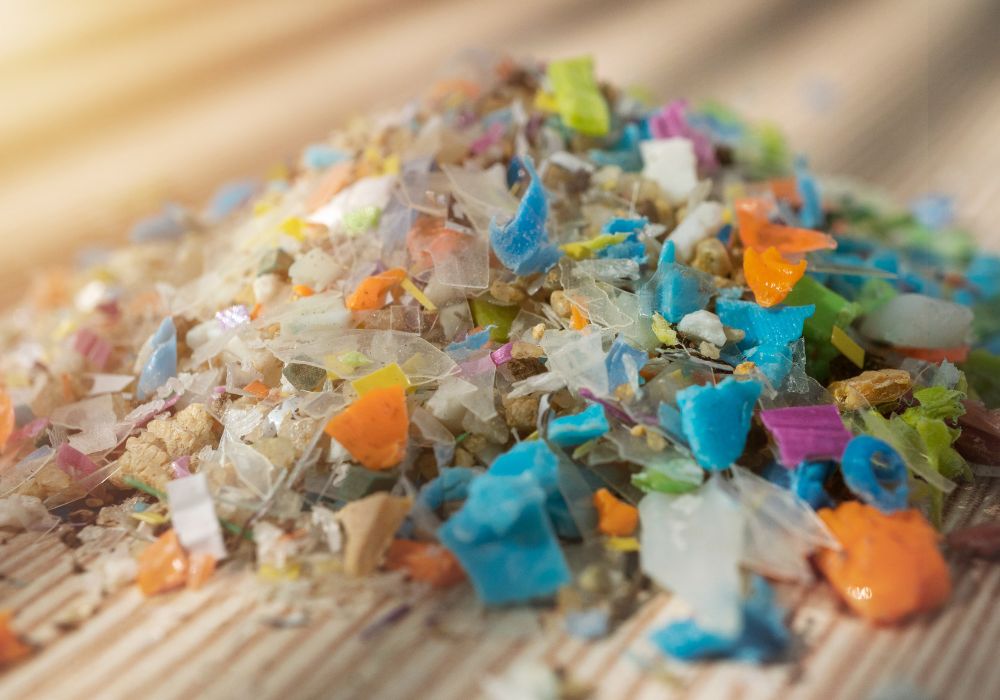
I've always considered the negative health outcomes of accidentally consuming microplastics to be a bit of a small fish.
Not because I could imagine they'd be good for us in any way.
But because I think we need to shoot the crocodile closest to the boat.
And for most people that’s focusing on improving sleep, nutrition and exercise.
Worrying about microplastics when you don’t do resistance training or sleep less than 7 hours a night is like scoping the crocodile 200m away when there’s one in the boat.
But the more I learn about it, the more I think it can’t hurt to make some simple, gradual lifestyle changes to reduce our exposure to them (particularly if our eat-sleep-train is pretty dialled in).
What are they?
Microplastics are tiny bits of plastic in the environment.
They’re in the water we drink, the food we eat, the air we breathe (would have been faster to list where they're not, I know).
Research suggests we consume a credit card's worth of plastic weekly.
Some pass through the body.
Some end up in our organs without an exit.
And over years and decades, it can build up there.
Which over time, can affect the following list (of — what seems like — every ailment in the existence of humankind):
- 🩸 Hormones
- 🤰 Pregnancy and development
- 🧠 Neuro disorders like autism and adhd
- 💥 Brain inflammation
- 🍆 Infertility and puberty
- ❤️ Cardiovascular disease
- 🦠 Cancer
(All the research is laid out here if you're interested)
Righto, enough doom and gloom.
The good news:
It seems gradually making some simple changes can make a massive difference over time.
This thread shares some easy substitutes we can make in our day-to-day for the biggest impact:
- 💧 Substitute plastic water bottles for stainless steel
- 🔪 Substitute plastic kitchen kit (e.g. spatulas and chopping boards) for stainless steel, ceramic or wooden kitchen kit
- 🍳 Substitute non-stick cooking pans for stainless steel, ceramic or cast iron
- 🔥 Don’t microwave plastic containers (even if “microwave safe”)
- 🛌 Substitute polyester bed sheets for organic cotton, linen or wool
- 💧 Substitute tap water for filtered water
- 🧃 Minimise plastic-packaged processed foods
- 👕 Substitute polyester clothes for organic cotton, linen or wool
- 💨 Get a high-quality air purifier
Remember it’s the accumulation of microplastics over time that can do damage. Buying a bottle of water when you're parched isn’t gonna kill you.
So there’s no reason to be neurotic about it.
This is just to make us more aware of what's going on behind the curtain.
This podcast summarises the science really well if you're interested in learning more.
🏋️ Effectiveness of "advanced" weight training methods
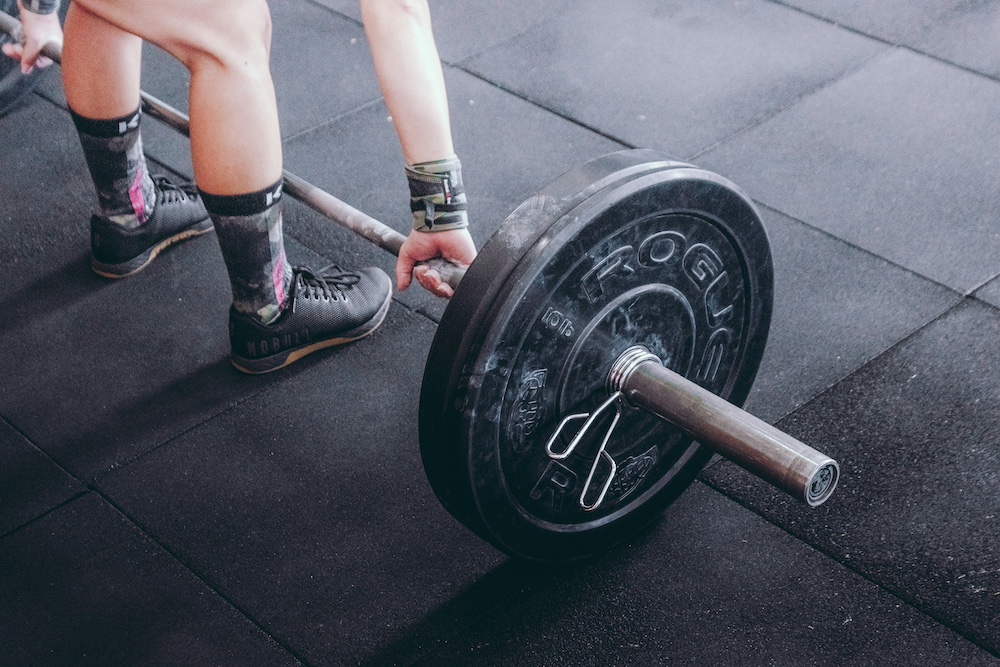
You may have heard of some of these weight training methods:
- Drop sets
- Pre-exhaustion
- Giant sets
- Rest-Pause
- Negatives
But are they effective?
A study put a group of recreationally trained dudes through a training block.
A third of them did drop sets (hitting failure, lowering weight, hitting failure, etc) – thought to fatigue more muscle fibres.
A third of them did pre-exhaustion training (doing a single-joint exercise followed by a multi-joint exercise e.g. flies then bench press) – thought to fatigue all working muscles in the compound movement equally.
The other third did your bog standard straight sets.
The researchers found:
No significant differences in strength, hypertrophy and muscle endurance.
Though drop-set and pre-exhaustion methods felt harder and increased muscle soreness.
So the takeaway?
Keep it simple. Unless you enjoy doing that type of training.
🌍 Are blue zones bullsh*t?

“Blue zones” are parts of the world where people supposedly live really long lives.
Over the last 20 years, they've been the subject of scientific research, books and netflix docos.
The question, "why do they live so long?"
But maybe they actually don't...
Researcher Dr Saul Justin Newman reckons the data in many of these zones is “rotten from the inside out”.
And he just won an Ig Nobel Prize for his work.
(The Ig Nobel Prize awards are a bit of a piss-take on the Nobel Prize awards, celebrating “unusual” science that “makes people laugh, then think” — but don't let the humorous side of the award discount his work).
Newman said:
“I’ve tracked down 80% of the people aged over 110 in the world (the other 20% are from countries you can’t meaningfully analyse). Of those, almost none have a birth certificate. In the US there are over 500 of these people; 7 have a birth certificate.”
So one of the issues seems to be a lack of accurate documentation.
He went on:
“Okinawa in Japan is one of these zones. There was a Japanese government review in 2010, which found that 82% of the people aged over 100 in Japan turned out to be dead. The secret to living to 110 was, don’t register your death.”
Why wouldn't you register a death?
Pension fraud, apparently. So the kids can keep cashing that weekly cheque.
I don't know what it means for the accuracy of research on these populations. A lot of the takeaways about longevity from them seem pretty legit:
- 🍎 Eat mostly whole foods
- 🧑🌾 Live an active lifestyle (gardening, walking etc)
- 🤝 Stay social and connected
- 🎯 Never lose purpose (even after retirement)
Though I did always find it interesting that exercise was rarely part of their lives.
Short article about it here if you’re interested.
That's it!
Have a great weekend 🤙
Matt

📬 Did someone forward this to you? I send an email like this every week. Join free here.
💬 Enjoyed this one? Hit reply and let me know. It's motivating. I reply to every message.
👇 If these emails aren't for you anymore you can unsubscribe below. No stress, they're not for everyone.
 Want more? Check out the Everday Athlete Toolbox and Elite Sleep Audit
💪 And if you wanna put jet fuel and your health and fitness goals in 6 weeks, check out my online training
The Everyday Athlete Newsletter is not a licensed health service and is not a substitute for professional health advice, treatment or assessment. The information given in this email is general in nature, written for a specific audience. If you’re struggling, please see a healthcare professional.
0 comments