
👋 Hey. Welcome to issue #102 of The Everyday Athlete Newsletter.
Yep, more Olympics chat.
How good is it.
This newsletter turned into Olympics, Swimming edition (5 min read):
🏊 Cam McEvoy goes full wizard mode
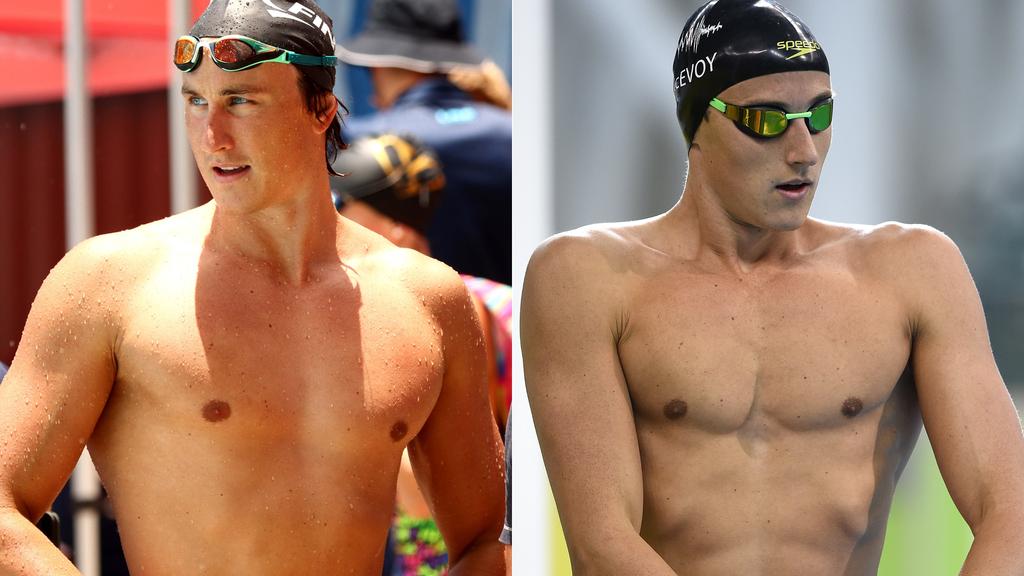
Cam McEvoy just won Olympic gold in the 50m freestyle.
And he did it with a fairly unorthodox approach to traditional swim training.
Here's how...
His baseball card stats in March 2020:
- ⚖️ Bodyweight: 71kg (a self-proclaimed string bean – photo above on right)
- 🏊 Swim volume: 20-40kms per week
- ⏱️ 50m freestyle time: 23.0
Then, covid.
He had 7 months out of the water.
But spent a lot of time in the gym. And got pretty jacked, adding 10kgs of (mostly) muscle (photo above on left).
October 2020 stats:
- ⚖️ Bodyweight: 81kg
- 🏊 Swim volume: 0km per week (for the last 7 months)
- ⏱️ 50m freestyle time: 22.8 (a test swim to see where he was at first training back)
No swimming. Lots of strength. And his swimming got faster.
Interesting.
From October to December, he was back in the pool. Though doing way less total volume at a much higher intensity.
And still keeping up his gym work.
December 2020 stats:
- ⚖️ Bodyweight: Assuming still up in the 80s
- 🏊 Swim volume: 6-9kms per week
- ⏱️ 50m freestyle time: 22.1
So in 9 months (from March to December) he trimmed nearly a second off his time — with very little swimming.
To put that in perspective, the difference between 1st to 8th place in Paris was 0.39 seconds!
Then, the external pressure came:
"Imagine if you added swim volume on top of your new speed".
And so, over the next 4 months, he returned to high-volume swimming.
Each month he raced, he got slower and slower.
Until 4 months later, his April 2020 stats:
- 🏊 Swim volume: 20-40kms per week
- ⏱️ 50m freestyle time: Back up to 23.0
He still managed to qualify for the Tokyo Olympics in July.
Though “didn’t swim well”.
He was burnt out.
And decided to take 12 months out of the pool.
In that year, he got right into his strength training, mobility, callisthenics and rock climbing.
As he learnt about these different training styles, his brain couldn’t help applying them to swimming.
And after a year on dry land, he was keen to get wet again.
This time, with a new perspective on training for swim sprinting.
He questioned why it was the norm for swim sprinters to clock up 30km weeks.
The equivalent of three swim marathons, it’d be like Usain Bolt running 120kms a week in training.
So he put his wizard hat on. He broke down what it takes to swim fast over short distances.
- 🔋 Metabolic conditioning: training your energy systems (what traditional swim training focuses on)
- 💨 Speed: training your ability to apply strength and force
- 🏊 Technique: Increasing propulsion and reducing drag
Now, I don't know the ins and outs... But it seems he shifted his 🔋 metabolic conditioning away from the lactic/glycolytic and aerobic/oxidative systems, and towards the ATP/PC system.
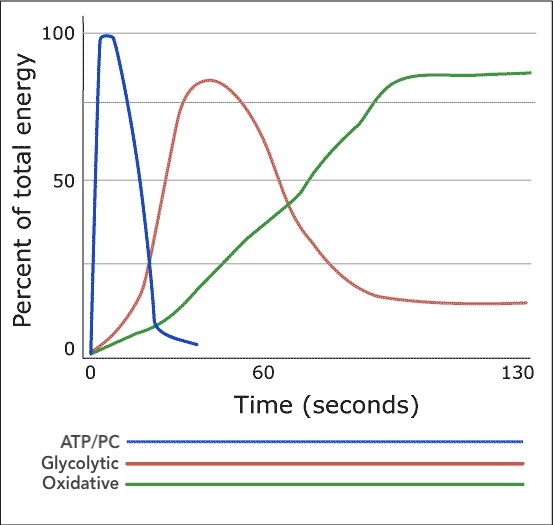
An anti-glycolytic style of training.
Done through short, 10-15 efforts with lots of rest between (in the pool and — I’m assuming, probably — on cardio machines too).
An unconventional shift. But it makes sense right? Considering the 50m free is a 20-second race.
He trained his 💨 speed by:
- Focusing on building max strength in the gym
- Improving how he funnels that strength into the right shape for swimming with calisthenics, and
- Applying it specifically to swimming through resistance swim training
And of course, he still focused on 🏊 technique.
So after 12 months off, and a few months back doing this style of training, he started trimming down his 50m freestyle times like a recently retired suburban dad trims his lawn.
(Often).
> 2022 December: 22.0
> 2023 June: 21.4
> 2023 July: 21.0
And last week, he won gold in Paris with a 21.25.
And that's why they call him The Professor.
For me, it illustrates the power of experimentation.
Everyone is different.
Gotta find what works for you.
P.s. He's supposedly gonna share a heap more info about the specifics soon. Watch this space
🏊 Data in swimming
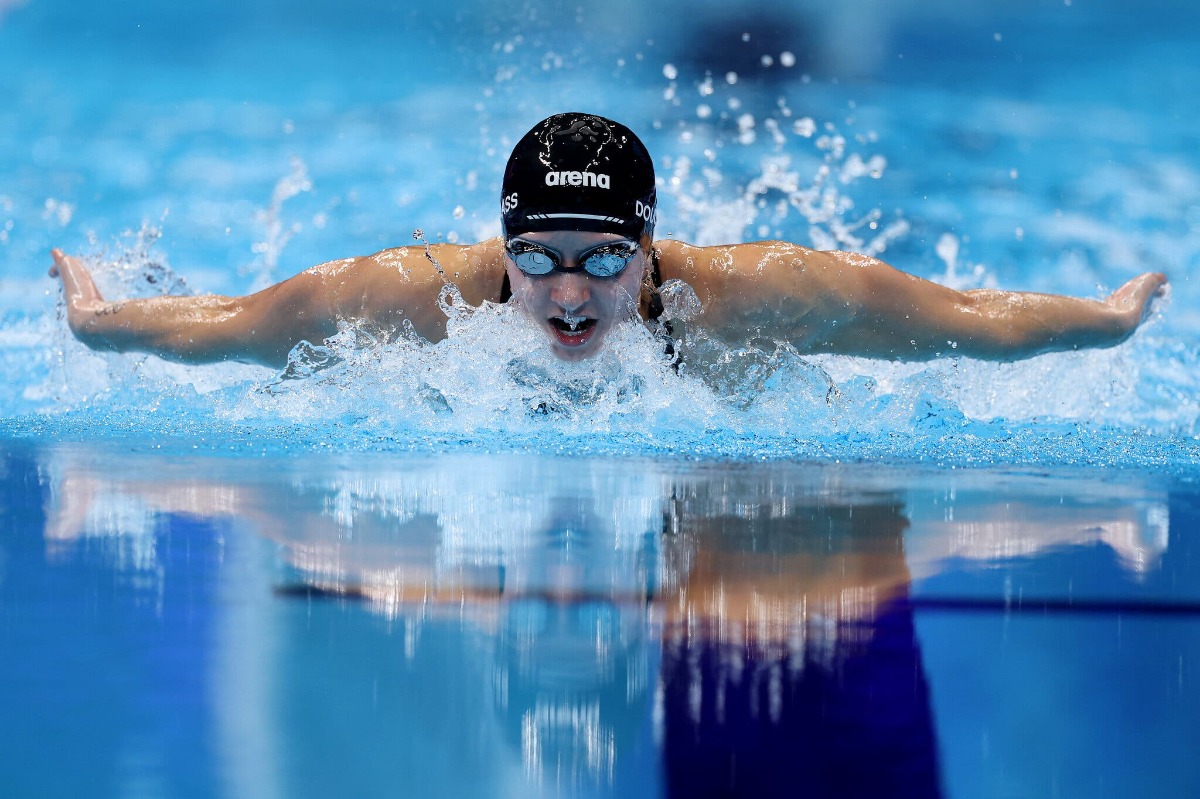
Feeling inadequate yet?
Meet, US swimmer Kate Douglass.
Not only did she just compete in Paris. She’s also published a peer-reviewed research paper on data in swimming.
This article shares how she (and other swimmers) have been using some sweet ass technology and mathematical modelling to improve their swim stroke.
Example:
The technology found the forward bend of her head in her breaststroke pullout was likely creating extra drag.
It predicted — when correctly adjusted — could save her 0.15 seconds.
Per stroke!
Did it help?
Well, she won gold in the 200m breaststroke last Friday (not to mention the other 3 medals she picked up).
More examples like that in the full article. Really interesting read.
P.s drop the article link in here if you don't have NYT sub.
🏊 Thorpy sums it up
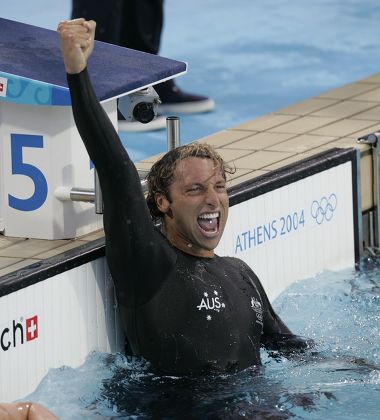
Ian Thorpe couldn't have summed up the last two weeks any better:
"Sport isn't just about the stats. It's about how it makes you feel."
Bloody. Oath. Thorpy. Bloody. Oath.
That's it!
Have a great weekend 🤙
Matt

📬 Did someone forward this to you? I send an email like this every week. Join free here.
💬 Enjoyed this one? Hit reply and let me know. It's motivating. I reply to every message.
👇 If these emails aren't for you anymore you can unsubscribe below. No stress, they're not for everyone.
 Want more? Check out the Everday Athlete Toolbox and Elite Sleep Audit
💪 And if you wanna put jet fuel and your health and fitness goals in 6 weeks, check out my online training
The Everyday Athlete Newsletter is not a licensed health service and is not a substitute for professional health advice, treatment or assessment. The information given in this email is general in nature, written for a specific audience. If you’re struggling, please see a healthcare professional.
0 comments