
👋 Hey. Welcome to issue #159 of The Everyday Athlete Newsletter.
Here are my 3 favourite ideas, learns and resources to help you improve your performance this week (4 min read):
💪 The silent men's health epidemic
Testosterone is a hormone.
And in men, it’s the master switch for vitality.
It’s our body’s chemical messenger. Largely responsible for our energy, mood, muscle growth and sex drive.
Low testosterone levels are like turning the dimmer down on your life..
No energy to play with your kids. You lose muscle and physical ability.
Poor concentration. Low libido. Even depression.
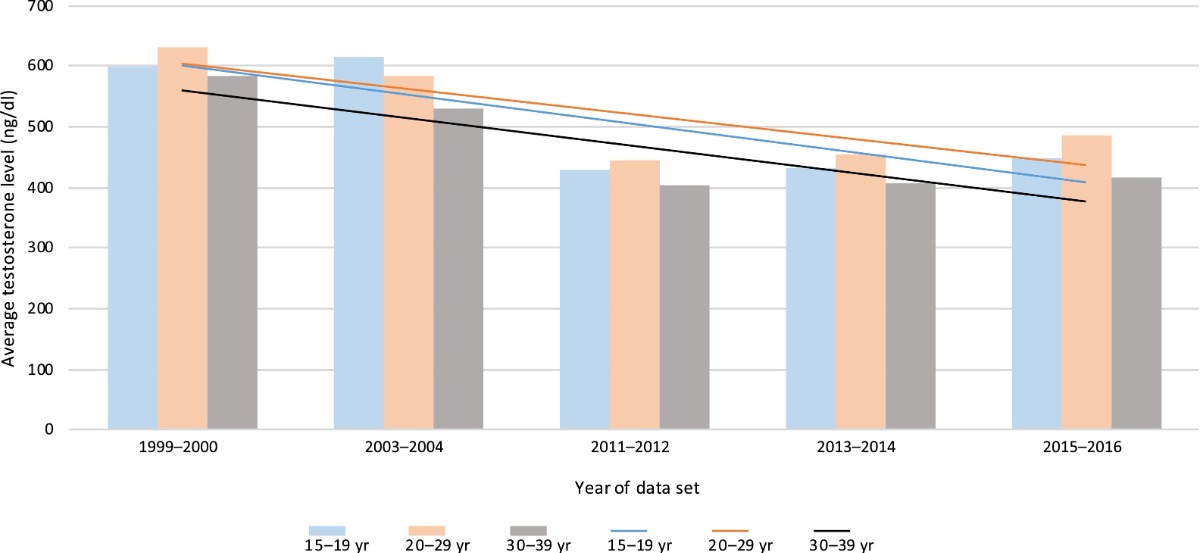
Testosterone levels in men naturally decline with age. But currently, levels are dropping faster than we can attribute to age alone.
In fact, research is finding average testosterone levels in men are dropping by about 1% every year.
And it’s not just old blokes. Even guys in their 30s and 40s are dipping below clinical levels.
So what’s doing?
3 big levers:
- 📈 Excess body fat: even a 4–5 point rise in BMI can drop testosterone to the level of someone 10 years older (1)
- 😣 Chronic stress and overstimulation: constant low-level physical and mental stress have been shown to tank testosterone (1, 2)
- 🦠 Environmental toxins (plastics and household products): research has linked endocrine-disrupting chemicals like plastics exposure to reduced testosterone and semen quality (1). (But #1 and #2 are the priorities).
Righto, what can we do about it?
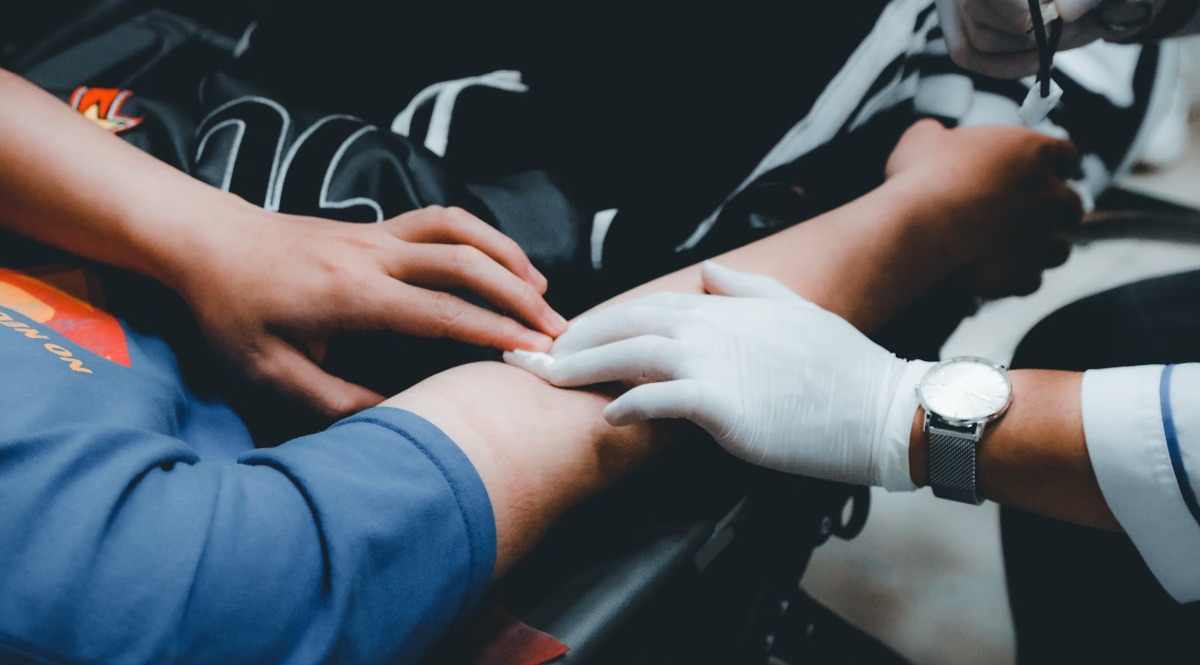
Start with bloods.
We wanna look at total testosterone. But also free testosterone and SHBG for a clearer picture.
🩸 Total Testosterone
Labs usually set “normal” total testosterone at ~250–1,100 ng/dL.
But “normal” includes sick, overweight, and aging folks.
So Dr Peter Attia and other wizards like Andy Galpin aim for the top half of that range, because:
- Symptoms (low energy, mood, libido) often show up below 500–600
👉 As Attia says, blokes can have a testosterone level of 350 and feel awful, even though it’s technically in range. (except he is a yank so wouldn't say bloke)
🧪 Free Testosterone
Free T is what the body can actually use.
Attia generally wants free testosterone in the upper third of the lab’s reference range (so optimal = ~15–21 ng/dL).
👉 It’s not just about total T. It’s about how much testosterone your body can actually use.
🧬 SHBG (Sex Hormone Binding Globulin)
SHBG is a protein that binds to T and essentially runs blockers on it (stopping it doing its job).
The higher your SHBG, the lower your free T.
👉 So if SHBG is high, free T drops. Even when total T might look all gravy on paper.
Optimal SHBG = ~20–40 nmol/L (depending on individual and lab)
So..
Get your bloods tested. Be aware that “in range” isn’t always optimal, and that symptoms + context matter more than a single number (there's a lot of nuance which even those optimal ranges listed above don't account for). Be prepared to talk to your doctor about this stuff. And keep getting em done every 6 months to spot trends.
Then, if levels are low (or low-normal with symptoms), there are two big paths:
- Address the lifestyle levers. Training. Movement. Nutrition. Sleep. Stress. Clean up your environment.
- Consider medical options. Only after multiple blood tests showing consistently low T, clear symptoms, dialled in lifestyle levers (training, stress, fat loss, sleep, etc), and ruling out fixable causes (like sleep apnea or micronutrient deficiencies)... would you wanna consider TRT (testosterone replacement therapy)
Test it. Track it. Reverse it. Your testosterone could change your life.
📆 The momentum trick

A mate works a job with an always changing routine.
After a few 6am-6pm days on the road without exercise, he then finds it hard to motivate himself to train.
How I'd think about it:
Leverage momentum. Do something every day. Even if stupidly small.
What’s a daily commitment that feels super easy? 5 minutes? 2 minutes?
That’s the minimum.
Pop a skipping rope in your travel bag. Or knock out a bodyweight circuit.
Then, when you have time or feelgood, do a bigger session. Get to the gym, pound the pavement, find a disgusting hill and rip up it.
It works because your brain doesn’t register 5 mins or 50. It just registers that you trained today.
And our brain’s froth momentum.
So in the short term, it gets easier to get out the door and do something.
And over the long term, you’d be surprised how much even a few minutes a day can stack.
🦵 Aesthetics aside, why we should train our legs

“Never skip leg day” is usually tossed around as a meme about aesthetics.
But having deadly looking pins aside..
Training our legs gives us benefits beyond just training our upper body.
Basically because our legs are our biggest muscles. And bigger muscles = more activation + more systemic benefits.
We'll start with the obvious..
🏄 Function
Strong legs = better mobility, stability, and balance. Protects joints, lowers injury risk, and keeps you doing the things you love for longer.
🔋 Metabolic
Muscle burns more calories at rest than fat. So more muscle = higher basal metabolic rate. It also acts as a massive “glucose sink”, pulling sugar out of the bloodstream. So jacking up the pipes means better blood sugar control and long-term metabolic health.
💥 Nervous System
Heavy compound lifts (squats, deadlifts, lunges) require huge central nervous system activation. So we light up the whole body. Improving strength, coordination, balance and body awareness.
🩸 Hormonal
Big lifts trigger more:
- Growth hormone, testosterone, IGF-1 = better muscle, recovery, fat loss
- Endorphins, dopamine = better mood, focus, and energy
💪 Resilience
Big lifts are stressful on the body (good stress). So we’re training the whole system to tolerate and adapt to stress better. This resilience carries into everyday life.
Hit those pins.
That's it!
Have a great weekend 🤙
Matt
📬 Did someone forward this to you? I send an email like this every week. Join free here.
👇 If these emails aren't for you anymore you can unsubscribe below. No stress, they're not for everyone.
The Everyday Athlete Newsletter is not a licensed health service nor a substitute for professional health advice, treatment or assessment. The information shared in this email is general and written for a specific audience. If you’re struggling, please see a healthcare professional.
0 comments