
Hi there,
Here's our midweek update for July 9th...
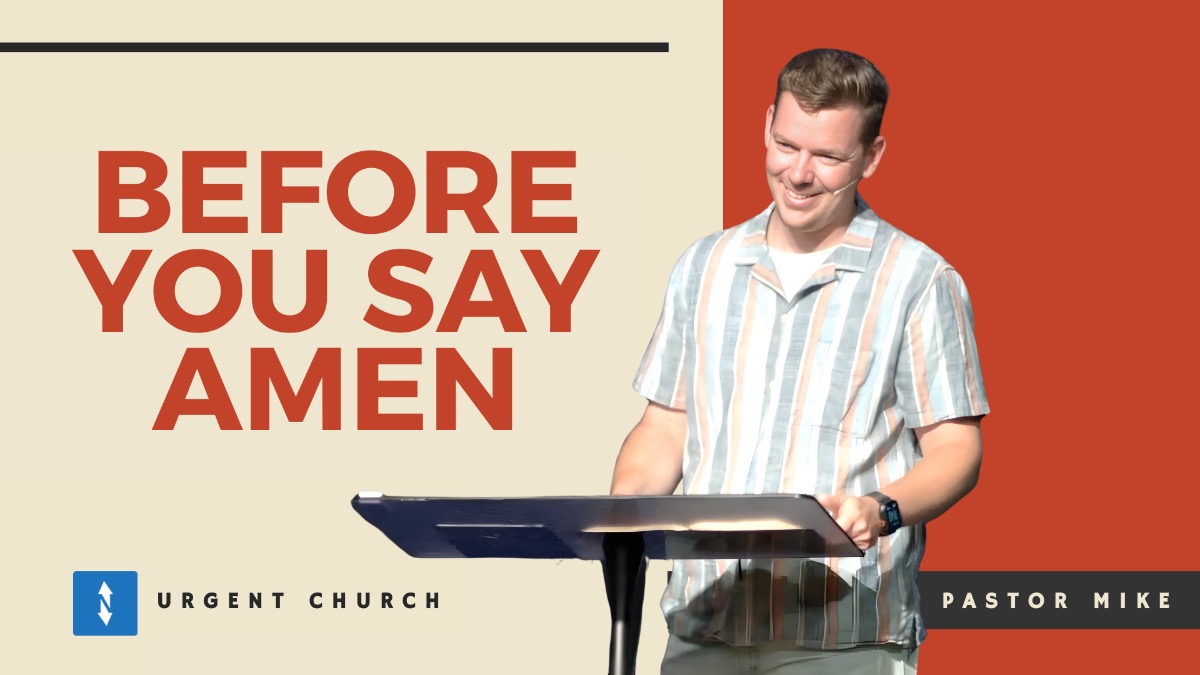
The Power of Prayer: Finding Authenticity in Your Relationship with God
Prayer isn't a last resort—it's a first priority. When we face challenges in our lives, from personal struggles to global crises, prayer should be our immediate response. But how we pray and why we pray matters deeply to God.
In Matthew 6:5-15, Jesus provides clear instructions about prayer that challenge many of our common practices. His teaching reveals that authentic prayer is less about performance and more about relationship.
Why Do We Struggle with Prayer?
Jesus identifies several problematic prayer motives that we still struggle with today:
- Praying to push a personal agenda - When we're more focused on seeing our will happen than God's will
- Using prayer as gossip in disguise - "We need to pray about Sally..." becomes an excuse to share someone else's story without permission
- Praying to impress others - Being more concerned with how our prayers sound to others than connecting with God
Jesus calls these approaches hypocritical—saying we're one thing when we're actually another. True prayer isn't about performance; it's about authentic connection with God.
How Can I Develop an Authentic Prayer Life?
Jesus gives us three key principles for authentic prayer:
1. Keep It Secret
"But when you pray, go into your room, close your door and pray to your Father who is unseen." (Matthew 6:6)
Secrets don't make friends, but secrets with God make disciples. The only way to truly learn God's voice is through private communion with Him. While God can certainly speak to you in church or through others, those moments should be starting points, not the entirety of your relationship with Him.
Jesus specifically mentions closing the door—removing all distractions. Many of us leave "doors" open in our prayer lives:
The door of our phone
The door of social media
The door of relationships
The door of expectations
These open doors invite distractions that prevent us from fully engaging with God. The secret place is where God shapes your heart through "secret surgery." Public performance doesn't change hearts—private encounters with God do.
2. Keep It Simple
"And when you pray, do not keep on babbling like pagans, for they think they will be heard because of their many words." (Matthew 6:7)
God isn't impressed by your eloquence or the length of your prayers. He's moved by your honesty and authenticity. More words don't equal more power.
Consider Hannah in 1 Samuel 1:10. In her anguish over infertility, she prayed a simple, honest prayer to God. She didn't use fancy words or long speeches—she simply poured out her heart. God saw her sincerity and answered.
If you're struggling with how to pray, use Scripture as your guide. Jesus gave us the Lord's Prayer as a perfect template.
3. Surrender Completely
Jesus ties prayer directly to forgiveness: "For if you forgive other people when they sin against you, your heavenly Father will also forgive you." (Matthew 6:14)
Your prayer life is directly connected to your capacity to walk in forgiveness. If you're struggling to forgive others, you likely need to spend more time in prayer. The self-righteousness in our lives often prevents us from recognizing how much we've been forgiven, which in turn limits our ability to forgive others.
Jesus demonstrated this principle of surrender in the garden when He prayed, "Not my will, but yours be done." We cannot change what has happened to us or what others have done to us, but we can change our response through surrender.
What Can We Learn from Prayer Warriors of the Past?
Consider Susanna Wesley, mother of John and Charles Wesley. With 19 children and a life filled with chaos, hardship, and poverty, she didn't have a private room for prayer. Instead, she would sit at her kitchen table and pull her apron over her head—a signal to her children that she was praying.
Her simple, secret, surrendered prayers shaped two of history's most influential church leaders. John Wesley preached to millions, and Charles Wesley wrote over 6,500 hymns still sung today. Their impact sparked a revival that transformed England and spread across the world.
Never underestimate what God can do through one person committed to prayer.
Life Application
This week, I challenge you to establish a consistent prayer life based on these three principles:
- Find your secret place - Identify a specific location and time where you can meet with God daily without distractions. Put your phone away, close the door, and create space for just you and God.
- Simplify your prayers - Don't worry about sounding spiritual or using the right words. Talk to God honestly about what's on your heart. Use the Lord's Prayer as a guide if you're not sure where to start.
- Surrender through forgiveness - Identify one person you need to forgive and bring that relationship before God in prayer. Ask Him to help you release bitterness and extend the same grace you've received.
Ask yourself these questions:
- Am I going into a secret place regularly to meet with God?
- Have I overcomplicated my prayer life instead of keeping it simple and childlike?
- What areas of my life am I still holding onto instead of surrendering to God?
- Is there someone I need to forgive, and how might my prayer life help me extend that forgiveness?
Remember, prayer isn't about performance—it's about relationship. God isn't looking for eloquence; He's looking for authenticity. When we approach Him with childlike faith, simply saying, "Father, I need you," we open ourselves to the transformation only He can bring.
Cheering you,
Pastor Mike
0 comments