
👋 Hey. Welcome to issue #156 of The Everyday Athlete Newsletter.
Here are my 3 favourite ideas, learns and resources to help you improve your performance this week (4 min read):
🔍 Your micronutrient gap analyst
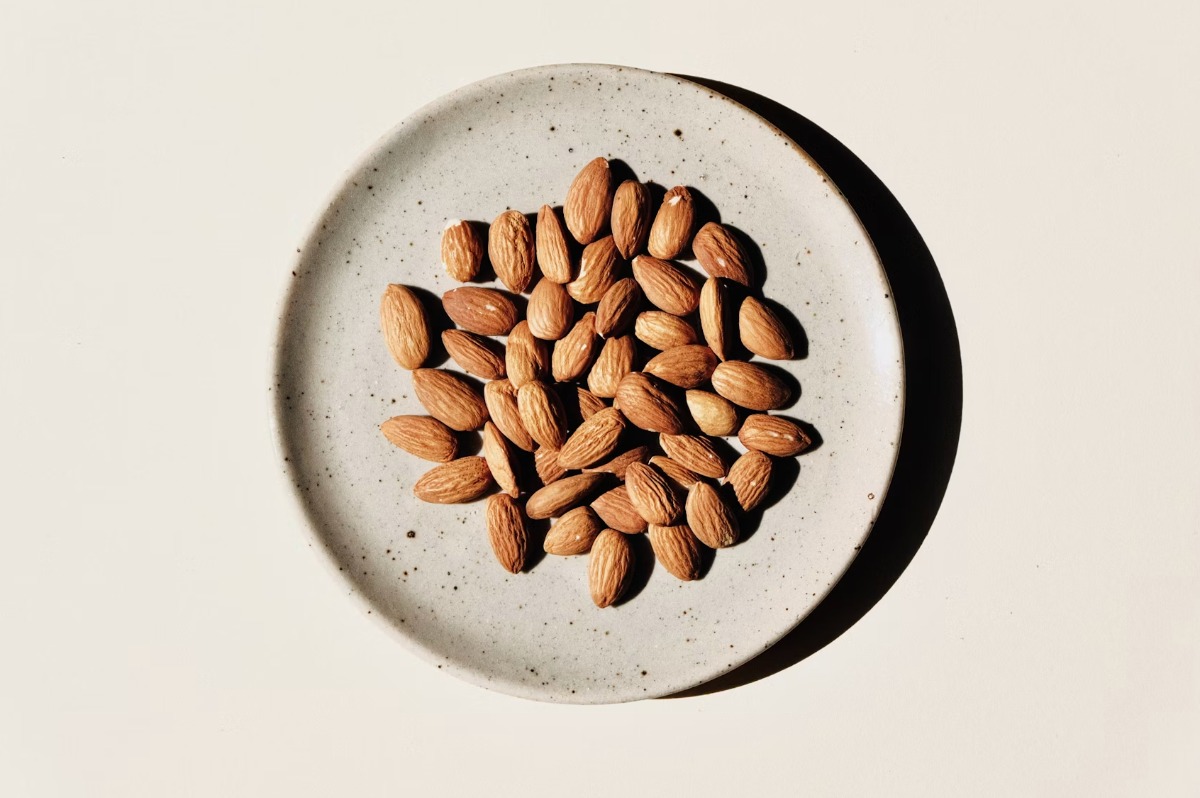
It’s hard to know if you’re deficient in micronutrients without blood tests. Even a healthy diet can miss essentials like iodine, selenium, or vitamin K2.
And many of the products marketed as “nutrient insurance” (like greens powders) don’t cover daily requirements.
So I recently voice-noted my usual daily diet + supplements into ChatGPT and asked it to flag any micronutrient deficiencies.
It was so helpful, I ended up building a GPT-based nutrition gap checker.
It’s a 5-minute nutrition check-up that helps you spot potential blind spots. And gives you simple ways to plug the gaps for better energy, recovery, and long-term health.
Remember: it’s not medical advice, just a tool for awareness. And obviously shouldn’t replace blood tests for those that need them.
🧂 Himalayan salt: Looks like tarzan, plays like jane
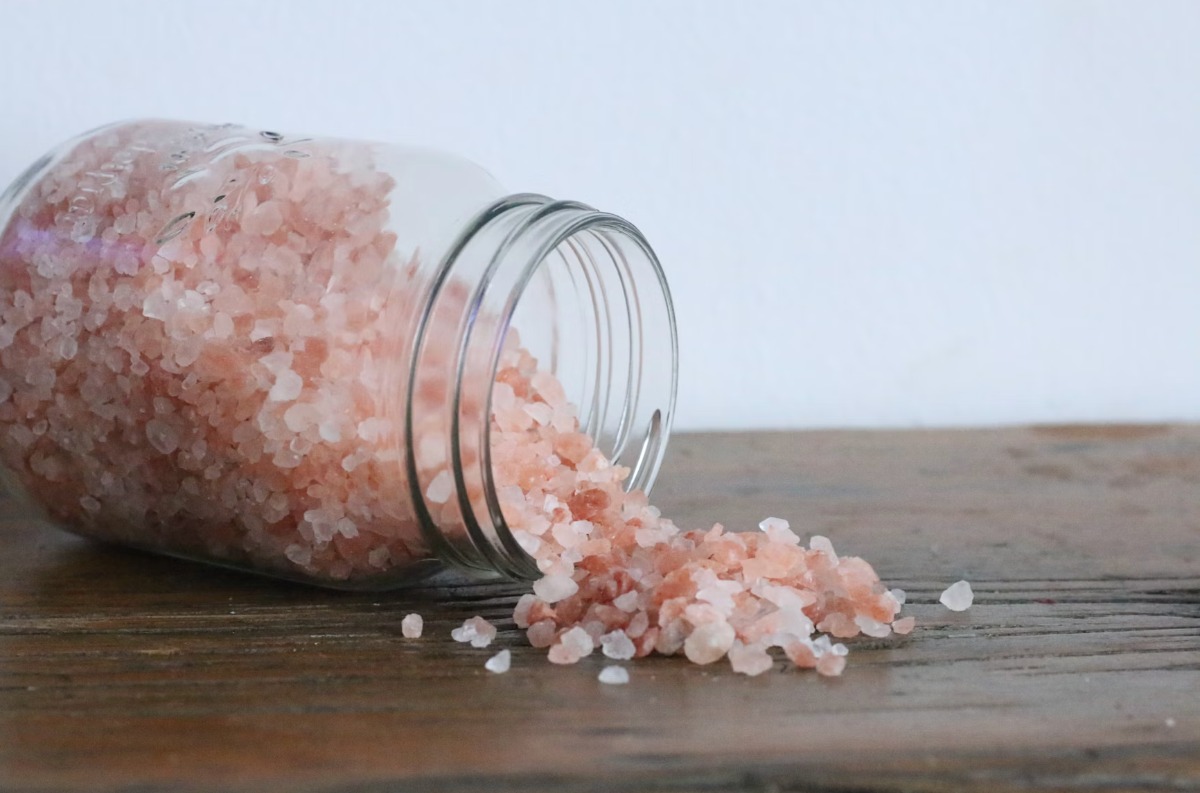
The exercise above suggested I might be short on iodine.
Which took me down the Himalayan salt rabbit hole.
One of those products we get because “it’s better”...?
Turns out the hype around Himalayan (and sea) salt is mostly marketing.
It has some extra minerals vs regular salt (like iron, magnesium, potassium). But in tiny amounts. So small we’d need cups of the stuff to make any real dent in our mineral intake.
And the pink colour comes from iron oxide.. which isn’t a real solid iron source.
So it seems we have a case of looks like Tarzan plays like Jane.
Iodised salt on the other hand has the added benefit of giving us enough iodine to meet daily requirements in a sprinkle or two.
Then it's just a texture and taste of: sea vs table. Sea for me 🙋.
But also worth considering… Table salt is mined and refined, sea salt is sun-evaporated from seawater, and Himalayan salt is mined and shipped long distances.
So if your sea salt is iodised and sustainably produced, it’s a bit of a winner on all fronts.
Whaddya know.
P.s. Same deal with the Himalayan rock lamps. If you like the vibe, go for it. But from a health standpoint, it's marketing.
💪 The protocol that makes health last

You probably think that to get in shape… you need to go to the gym, wake up at 5am, and cook every night.
And you can. But you don’t have to.
See to build a happy body, there are a few principles we need to adhere to. But the methods to apply those principles are many.
Hate the gym → Try rucking or callisthenics
Night owl → Stay up late and sleep in (as long as you get your 8 hours)
Don’t wanna cook → Get a meal delivery service
Just because most people do it a certain way doesn’t mean you have to.
That's why my online coaching program takes you through the Adaptive Vitality Protocol.
Yes, adaptive. Because what works for one body, lifestyle, or preference may not work for another.
And this Monday, doors reopen for my August intake.
They'll stay open for only 72 hours or until 6 spots are filled (whichever comes first). And won’t open again for another month.
If you're:
- In your 30s, 40s or beyond
- Slowly watching your health slip
- Driven to build the skills that keep you fit and healthy for life
... then this may be for you.
Over 12 weeks, you’ll go through the Adaptive Vitality Protocol.. Rebuilding your body, energy, and identity through the mindsets and habits that actually last.
I’m pumped up and proud to be sharing this work. It feels more aligned and meaningful than anything I’ve done before..

If you want to work closely with me, watch this video and follow the instructions ✌️
That's it!
Have a great weekend 🤙
Matt
📬 Did someone forward this to you? I send an email like this every week. Join free here.
👇 If these emails aren't for you anymore you can unsubscribe below. No stress, they're not for everyone.
The Everyday Athlete Newsletter is not a licensed health service nor a substitute for professional health advice, treatment or assessment. The information shared in this email is general and written for a specific audience. If you’re struggling, please see a healthcare professional.
0 comments