
👋 Hey. Welcome to issue #137 of The Everyday Athlete Newsletter.
Here are my 3 favourite ideas, learns and resources to help you improve your performance this week (4 min read):
🧠 Adam Bornstein on health and fitness mindset

NYT bestselling author Adam Bornstein wrote a short piece on health and fitness mindset.
It's excellent. And worth sharing here (I've bolded parts for emphasis):
Healthy living is surprisingly boring.
Good health is not exotic and exciting. It’s boring, mundane, and fairly repetitive.
Lift weights, move daily, eat protein and fiber, hang out with friends, get sleep, and manage stress.
That advice won't break the social media algorithms.
But, simple habits and behaviors can make you a health billionaire if you’re willing to commit, stay consistent, and avoid the temptation of distractions that push you towards restrictive and extreme behaviors.
It’s not that some of these issues you hear about don’t exist. It's just that trying to control cortisol 24 hours a day or optimize autophagy is NOT the reason most people struggle to feel good, lose fat, build muscle, age well, or boost energy.
They’re distractions.
It's misdirection and misinformation dressed in a lab coat of authoritative language and sciency-sounding recommendations.
The real changes you need that will feel life-changing are hiding in plain sight.
You don’t need a hormone whisperer to tell you why your energy crashes at 3 p.m. If you didn’t sleep 7 hours last night, that’s your answer.
You don’t need a parasite cleanse to explain your cravings. If you skipped meals, didn’t eat enough protein, and avoided fiber like a deadly drug, then you’re not battling a bug—it’s biology.
You don’t need a magical metabolic tea to “balance” your insulin. You need to move. Lift something. Walk. Exercise with some regularity and intensity.
The same goes for bloating, aches and pains, mental fog, and the stubborn scale that won’t budge.
If your habits swing between “on a plan” and “eat whatever, whenever,” and exercise when everything in your day goes just as you planned, your answer is right in front of you.
You just have to start asking the real questions and be painfully honest with yourself.
The most uncomfortable part of getting healthier isn't the diet or exercise. It's swallowing the truth serum that many of us struggle to do the things we know are good for us."
--
Variety, milestones and motivation are important. But it's the boring stuff – done over a long time horizon – that pays us.
📱 App: Reframe

A friend started using Reframe – an app to help you reduce or stop drinking alcohol.
In 7 weeks, she's gone from 28 drinks a week to 7.
And – most importantly – feeling bloody good for it.
It's a neuroscience-based program focused on habit change—which makes the change stick. They reckon it helps 91% of people who try it.
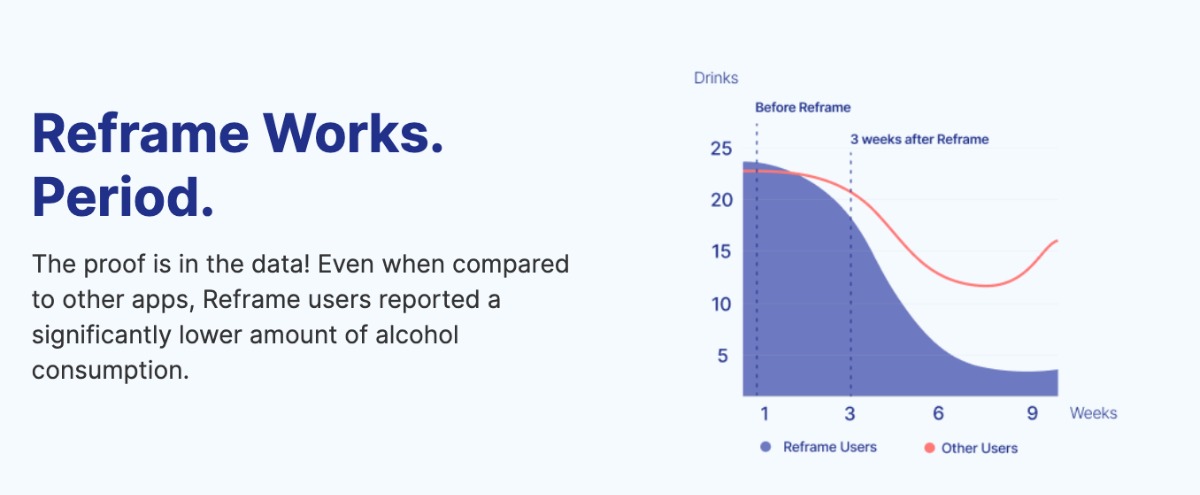
You have to commit to the change. But if you need a hand trying to reduce or stop drinking, try it.
🤸 Hypermobility x depression link

This study found teenagers with joint hypermobility (super flexible joints) are more likely to develop depression and anxiety when they're older. Wild.
For example, young guys with hypermobility at age 14 were twice as likely to experience depression by age 18.
Hypermobility is caused by differences in connective tissue (particularly collagen—the protein that gives structure to our joints, skin, and other tissues).
This variation in collagen seems to be the driver of mental health risks through a few different pathways:
- 💓 Nervous system: People with hypermobility often have autonomic nervous system differences (called dysautonomia) – higher resting heart rates and blood pressure regulation issues. Which can create states that mimic or drive anxiety symptoms.
- 🧠 Brain structure: The same tissue differences that make joints flexible might also affect brain structure. And influence the brain regions that process emotions.
- 🧬 Genes: The genes responsible for collagen variation might also influence brain development, increasing vulnerability to mood disorders.
It's not a given. But the researchers reckon screening hypermobile kids for signs of depression and anxiety could help identify those who might benefit from early intervention.
It's all connected.
That's it!
Have a great weekend 🤙
Matt
📬 Did someone forward this to you? I send an email like this every week. Join free here.
👇 If these emails aren't for you anymore you can unsubscribe below. No stress, they're not for everyone.
 Want more? Check out the Everday Athlete Toolbox and Elite Sleep Audit
The Everyday Athlete Newsletter is not a licensed health service nor a substitute for professional health advice, treatment or assessment. The information shared in this email is general and written for a specific audience. If you’re struggling, please see a healthcare professional.
0 comments